The spring vegetable garden: where to start and what to grow

Vegetables  ·  Spring planting

Spring planting isn’t one moment — it’s a season-long sequence. Knowing which vegetables go in when makes all the difference.

By Dig Magazine  ·  Spring

There’s a certain impatience that takes hold in late winter — the seed catalogs have been studied, the planting charts bookmarked, and the garden beds are just sitting there, waiting. The good news is that spring vegetable gardening starts earlier than most people think, and it unfolds in two distinct waves: the cool-season crops that thrive before summer heat arrives, and the warm-season crops that follow once the soil has truly woken up.

Understanding that rhythm is the foundation of a productive spring garden.

Cool-season crops: start here

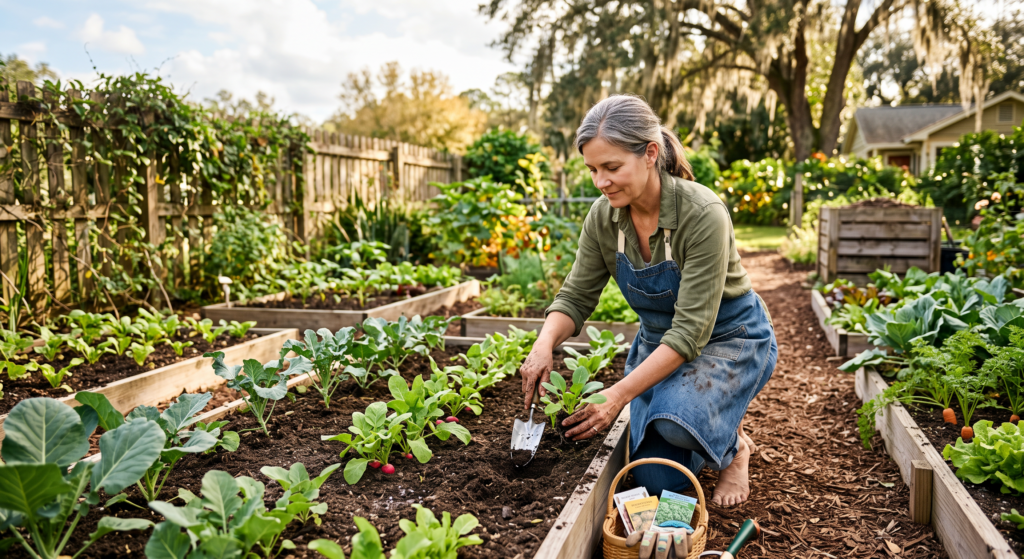
The first vegetables of spring don’t need warmth — they need to be free of frost. Leafy greens, root vegetables, and legumes in this category can go into the ground as soon as soil is workable, typically 4 to 6 weeks before your last expected frost date. In many parts of the country, that’s late February through April.

Cool season
Lettuce
Direct sow or transplant. Harvest outer leaves for a continuous supply.
Cool season
Spinach
Loves cold soil. Sow thickly and thin to 4 inches as they grow.
Cool season
Peas
Plant as early as possible — they stall in summer heat. Trellis essential.
Cool season
Radishes
Fastest crop in the garden. Ready in 25–30 days from seed.
Cool season
Kale & chard
Productive and resilient. Tolerates light frost once established.
Cool season
Carrots & beets
Sow direct — they dislike transplanting. Keep soil evenly moist.

These crops don’t just tolerate cool weather — they actually taste better in it. Lettuce is sweeter, spinach more tender, and peas almost candy-like when grown in chilly spring conditions. Once temperatures push consistently above 75°F, most will bolt (go to seed) and turn bitter. The goal is to get them in early and harvest before summer closes the window.

Dig tip

Succession plant your greens every two to three weeks rather than all at once. A short row of lettuce planted in early April, another in late April, and a third in early May gives you a continuous harvest instead of a glut all at once.

Warm-season crops: don’t rush

Tomatoes, peppers, cucumbers, squash, and beans are the stars of the summer garden — but they’re unforgiving of cold soil. Planting them too early doesn’t give you a head start; it stalls them in place and stresses the plants. The magic number for most warm-season vegetables is soil temperature above 60°F, with nights staying reliably above 50°F.

Warm season
Tomatoes
Transplant after last frost. Harden off indoors for one week first.
Warm season
Peppers
Need warm soil and nights. Among the last to go out in spring.
Warm season
Cucumbers
Fast growers once warm. Direct sow or transplant with care.
Warm season
Zucchini & squash
Almost too easy. One or two plants feeds a family — plant accordingly.
Warm season
Beans
Direct sow only — they hate transplanting. Germinate fast in warm soil.
Warm season
Basil
Plant alongside tomatoes after all frost risk has passed.

If you’re starting warm-season crops from seed indoors, count back 6 to 8 weeks from your last frost date and start them then — not sooner. Leggy, overgrown transplants that have outgrown their pots don’t perform as well as compact, stocky ones. When in doubt, a slightly smaller transplant that goes out at the right time will outpace a larger one planted too early.

Preparing the bed

No matter what you’re planting, the soil is the investment that pays every dividend. Before seeds go in, work a 2- to 3-inch layer of compost into the top 8 to 10 inches of your bed. This improves drainage in heavy clay soils, adds moisture retention in sandy ones, and feeds the microbial life that makes nutrients available to your plants.

Avoid working soil when it’s waterlogged — squeeze a handful and if it crumbles rather than holding its shape, you’re good to go. Walking on wet beds compacts the structure you’re trying to build, so lay down a board or step stones if you need access before things dry out.

One rule to plant by

Read the seed packet — really read it. Spacing requirements, planting depth, days to maturity, and sun needs are all there. Most garden disappointments trace back to skipping this step.

Spring vegetable gardening rewards patience at the start and attentiveness throughout. Plant the right things at the right time, keep the soil fed and moist, and the harvest will take care of itself.

Your April Garden Checklist: What to plant, fix, and do

Your April Garden Checklist — Dig Magazine
Spring Gardening  ·  April

April is the month gardeners live for. The ground is warm, the days are stretching, and there’s just enough urgency to keep things exciting.

By Dig Magazine  ·  Spring 2025

Whether you’re unrolling your first seed packet or unlocking a garden shed that’s been quiet since November, April has something for everyone. This month sits at a beautiful crossroads — cool enough for leafy greens, warm enough to wake up perennials, and long enough to actually get things done on a weekend afternoon.

Here’s what to focus on this month, broken down by the garden and the home.

In the vegetable garden

April is prime time for cool-season crops. Lettuce, spinach, arugula, peas, radishes, and Swiss chard all thrive in soil that hasn’t hit summer temperatures yet. Direct sow them into beds that have been loosened and amended with compost, and thin seedlings once they’re a few inches tall so they have room to fill out.

If you’ve been starting tomatoes, peppers, or cucumbers indoors, begin hardening them off this month — setting them outside for a few hours each day before transplanting. It makes a real difference to how well they settle in.

Dig tip

A soil thermometer is one of the cheapest, most useful tools you can own. Most vegetable seeds germinate best when soil is between 60–70°F. Too cold, and they just sit there.

Flowers and ornamentals

Now is the moment to divide overcrowded perennials — hostas, daylilies, and ornamental grasses all respond well to being split and replanted. You’ll multiply your plants for free and reinvigorate the ones that have been looking a bit tired.

Plant summer-flowering bulbs like dahlias, gladiolus, and canna lilies once overnight temperatures stay reliably above 50°F. And if you haven’t already: cut back any ornamental grasses that weren’t trimmed in late winter, before new growth gets too far ahead.

Lawn and landscape

Resist the urge to mow too short. Keeping grass at 3–4 inches through spring shades out weed seeds and encourages deeper root growth. It’s one of the most effective things you can do for a healthier lawn with less effort all summer.

Walk your beds and borders and top up mulch where it’s thinned out over winter. A 2-inch layer retains moisture, regulates soil temperature, and cuts down on weeding — all things that will make your summer much more enjoyable.

Indoor-outdoor crossover

April is also when houseplants start waking up. If yours have been looking a little sullen since January, now’s a good time to repot anything that’s rootbound, switch to a balanced liquid fertilizer, and move pots to brighter spots as the sun strengthens. Outdoor container gardens can be refreshed with fresh potting mix and new trailing or upright companions.

Quick wins this month
  • Sow lettuce, spinach, peas, and radishes directly in beds
  • Harden off indoor-started seedlings before transplanting
  • Divide overcrowded perennials and relocate or share them
  • Plant summer bulbs once overnight temps stay above 50°F
  • Mulch bare soil before weeds get established
  • Set mower height to 3–4 inches for the season
  • Repot rootbound houseplants and resume fertilizing

April rewards the gardener who pays attention. Spend a little time outside this month — even just walking the beds with a cup of coffee — and you’ll catch problems early, spot what’s thriving, and feel connected to the season in a way that makes the whole summer more satisfying.

Dig Magazine 2017

Ahhh Dig Magazine where have you been…well it’s been a long time laying dormant just hibernating, waiting to be revived. Get ready it’s coming back.

What is Dig Magazine? It started years ago… early 90s… as a Free home & garden monthly guide for the Washington Metro area. We published it in print and online for about 5 years.  I’ve since started gardening in SE Florida. Gardening is different here! Thought I’d have purely sand..well, to my delight, and my plants, it’s loamy; a black rich soil with very little clay or pebbles and sand. The total opposite of my Maryland yard. The high temps and ocean breeze here can dry out the soil and plants quickly. It takes a tough plant to survive this range of wet to parched then hot and hotter with gusty wind …dry for months then biblical rain for days. It’s tropical!  Then there’s irrigation. And grass which is not normally my concern!  I like flowers, shrubs, trees, bulbs, perennials.

So Vero Beach is now my hotspot. There’s bromeliads, palms, orchids, beautiful colorful crotons, crape myrtle…fragrant Plumeria..all love this climate. Most northern annuals  and houseplants can be perennial outside here: i.e., impatiens will reseed as long as your yard person doesn’t weed kill everything before you can identify the leaf!

To my surprize orchids are quite easy to grow and the flowers last & last on the plant. You can grow them in any bright area or window or even tie to tree outside. Direct hot sun can be too much…under tree branches is perfect! The roots will eventually attach directly. At first secure with twine and maybe a bit of bark or moss. I have lost some to frisky squirrels. Typically they can be lost to over watering in pots

It’s mid June now so the beginning of summer. So what can you do in the garden as far as planting. If you keep it watered you can plant now…shrubs, trees, orchids. Don’t separate or shake off the root ball..if you do it most likely will have a harder time adapting to its new spot. Moles do eat the roots.  All sorts of vegetables can be grown now though they may have done better if you planted them back in late Jan-Feb! I have heard that a large (3’ diameter) container works great for sizable potato crop by Fall or any root vegetable…beets, turnips.

To doodle to doodle to do..next time..my favorite Florida garden tools  😉