Your April Garden Checklist: What to plant, fix, and do

Your April Garden Checklist — Dig Magazine
Spring Gardening  ·  April

April is the month gardeners live for. The ground is warm, the days are stretching, and there’s just enough urgency to keep things exciting.

By Dig Magazine  ·  Spring 2025

Whether you’re unrolling your first seed packet or unlocking a garden shed that’s been quiet since November, April has something for everyone. This month sits at a beautiful crossroads — cool enough for leafy greens, warm enough to wake up perennials, and long enough to actually get things done on a weekend afternoon.

Here’s what to focus on this month, broken down by the garden and the home.

In the vegetable garden

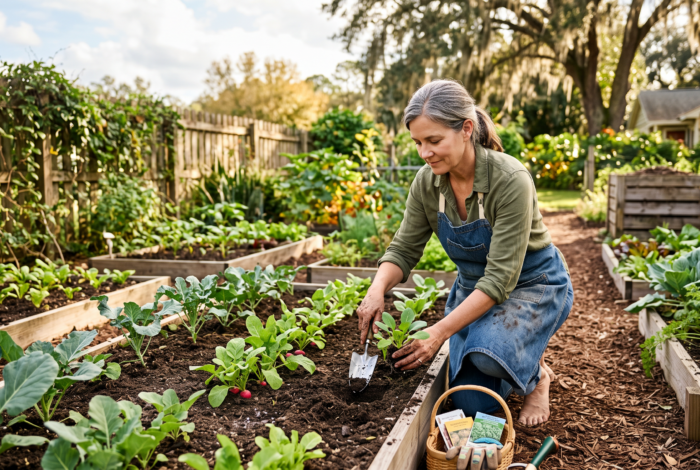
April is prime time for cool-season crops. Lettuce, spinach, arugula, peas, radishes, and Swiss chard all thrive in soil that hasn’t hit summer temperatures yet. Direct sow them into beds that have been loosened and amended with compost, and thin seedlings once they’re a few inches tall so they have room to fill out.

If you’ve been starting tomatoes, peppers, or cucumbers indoors, begin hardening them off this month — setting them outside for a few hours each day before transplanting. It makes a real difference to how well they settle in.

Dig tip

A soil thermometer is one of the cheapest, most useful tools you can own. Most vegetable seeds germinate best when soil is between 60–70°F. Too cold, and they just sit there.

Flowers and ornamentals

Now is the moment to divide overcrowded perennials — hostas, daylilies, and ornamental grasses all respond well to being split and replanted. You’ll multiply your plants for free and reinvigorate the ones that have been looking a bit tired.

Plant summer-flowering bulbs like dahlias, gladiolus, and canna lilies once overnight temperatures stay reliably above 50°F. And if you haven’t already: cut back any ornamental grasses that weren’t trimmed in late winter, before new growth gets too far ahead.

Lawn and landscape

Resist the urge to mow too short. Keeping grass at 3–4 inches through spring shades out weed seeds and encourages deeper root growth. It’s one of the most effective things you can do for a healthier lawn with less effort all summer.

Walk your beds and borders and top up mulch where it’s thinned out over winter. A 2-inch layer retains moisture, regulates soil temperature, and cuts down on weeding — all things that will make your summer much more enjoyable.

Indoor-outdoor crossover

April is also when houseplants start waking up. If yours have been looking a little sullen since January, now’s a good time to repot anything that’s rootbound, switch to a balanced liquid fertilizer, and move pots to brighter spots as the sun strengthens. Outdoor container gardens can be refreshed with fresh potting mix and new trailing or upright companions.

Quick wins this month
  • Sow lettuce, spinach, peas, and radishes directly in beds
  • Harden off indoor-started seedlings before transplanting
  • Divide overcrowded perennials and relocate or share them
  • Plant summer bulbs once overnight temps stay above 50°F
  • Mulch bare soil before weeds get established
  • Set mower height to 3–4 inches for the season
  • Repot rootbound houseplants and resume fertilizing

April rewards the gardener who pays attention. Spend a little time outside this month — even just walking the beds with a cup of coffee — and you’ll catch problems early, spot what’s thriving, and feel connected to the season in a way that makes the whole summer more satisfying.

Gardening on a Budget

Once the buzz of Christmas has passed, the task of paying off bills can leave many gardeners on a strict budget. Gardeners who need to make frugal decisions at this time of the year can take heart in a number of alternatives that will not only lower the cost of gardening, but will also enhance the pleasure! Here are five steps every budget gardener should
follow:
Plan ahead

Make a list of what you’d really like to see in your garden and stick to it. There’s no use growing winter cabbage, regardless of how lovely it looks in the frost, if no one in your family eats cabbage. A list will also keep you under control when you see the end-of-season sales and are tempted to purchase something on a whim. In addition, if you plan exactly where plants are going to go, you won’t make last minute mistakes such as placing sun loving plants in the shade.

Start a compost pile
It’s surprising to see how many gardeners haven’t constructed their own compost pile and still pay to have their grass clippings and leaves hauled away and then, in turn, purchase fertilizers every year. Compost is free food for the garden! It helps break up heavy clay soils, absorbs water in sandy soils, and encourages microbial life, thereby decreasing that chances of any one disease becoming rampant in the garden.

Compost piles don’t require anything fancy. The walls can be made of recycled 2 x 4s, chicken wire, or even hay bales. All that you need is access to the pile and enough space to turn it every now and again.

What can you put in the pile for free? Grass clippings and leaves are a great choice since you probably have your own source as well as your neighbours’. Check with local tree care companies to see if they have any wood chips to give away. Coffee grinds from the local café make excellent compost, as does shredded newspaper. Don’t forget to include your vegetable scraps and egg shells. Once you get hooked on composting, you’ll even start going after the local barber for hair, and even saving dryer lint!

If you’re an apartment gardener or are cramped for space, a great alternative to a compost pile is a worm bin. The requirements for a successful worm bin include a good size container, usually a Rubbermaid bin, about ½ lb of red wiggler worms, shredded newspaper, and then a steady supply of kitchen scraps. The resulting “worm casts” make excellent fertilizer for garden & potted plants. For more information, City Farmer has this article on worm composting: http://www.cityfarmer.org/wormcomp61.html#wormcompost

Recycle
Many of the expenditures that gardeners make for containers and equipment can be cut down by re-using items you already have at home. Margarine tubs, yogurt & cottage cheese containers and egg cartons are fantastic for seed starting. Old gardening boots, wheelbarrows, and toolboxes can make whimsical substitutes for expensive outdoor containers. Window frames can be converted into cold frames and plastic milk jugs and pop bottles can be used to make a mini greenhouses or hot caps.

Start from seed when you can
One packet of tomato seed is often equivalent to the price of one tomato start yet you get the potential of at least 30-40 plants in each packet. While it may take longer and require advance planning, starting the majority of your plants from seed can be a big savings, especially if you’re using recycled containers. No need for expensive heat mats – the top of the VCR or water heater is ideal. Fluorescent tubes make a suitable substitute for expensive grow lights and can be rigged up under a table or on a shelf in the garage.

Don’t forget to try to save your own seed during the season. Not only will you save on the seed purchase the following year, but you’ll also be able to select seed from plants that you know did well in your climate. Most communities now arrange for seed swaps in the early spring where you can trade your excess seed for new varieties. Make sure that you save seed from non-hybrid plants.

Choose plants that keep on giving
In the vegetable garden, climbing peas, tomatoes, beans & squash tend to provide more produce than their bush equivalents. If you’re limited in space, growing these plants vertically can be very successful. In addition, plants like zucchini are notorious for their yields. Trade with neighbours for food you didn’t grow.

Among the flowers, try growing multi-purpose plants to get more bang for your buck. Many flowers like bachelor’s buttons, violas, calendula, pansies, & roses are edible as well as beautiful. Yarrow, alyssum, fennel, cumin, & coriander all attract beneficial insects as well.

Find a friend
Not only can you share ideas with a gardening buddy, but you can also share the costs and make it cheaper for both of you. Very few of us require a whole packet of seed for the gardening season; most packets contain 40-100 seeds. Why not split the packet with a friend or else trade seed for a variety you didn’t buy? A gardening buddy is also a great person to share tools with. If you’ve got a fantastic hoe and your friend has an excellent pitchfork, why double up?

Sharing with a gardening partner will also allow you to purchase certain inputs in bulk. If you require potting mix, why not go for the bale size instead of the small packages? Compost, if you can’t make your own, is much cheaper if purchased by the yard and shared with a friend or two.

Joining a garden club is a great way to meet gardening enthusiasts if no friends or family are willing to team up with you. Most clubs also hold plant exchanges or sales where you can get plants for a real steal.

Arzeena is an agronomist and gardenwriter for Organic Living Newsletter. Subscribe to this free e-newsletter at http://www.tvorganics.com

Integrated Pest Management

Prune your trees now before winter storms do it for you. Remove any dead or weak branches. Thin the branches of trees with dense growth such as ‘Bradford’ pear and red maple. Trees maintained with proper pruning are less likely to be damaged by snow, ice, and wind.

Develop a plan to revitalize a portion of your garden when spring comes. Choose an area particularly hard hit by drought, insects, or diseases. Research alternative plant materials that fit the soil and water conditions on the site. You can cover the site with a tarp to keep the soil dry so you can get a jump on amending the soil and planting next spring.

When looking at catalogs be sure to select disease resistant seeds and plants for next year. Resistant plants may still be damaged by insects and diseases, but they usually are not killed or permanently damaged.

It’s natural for some of your evergreens change their foliage color this winter. It’s their way of responding to the falling temperatures. Arborvitae develops a brownish-tan color and some junipers turn purple. When temperatures rise in spring the foliage will return to its normal color.

Don’t be concerned if some insects such as wood-boring beetles, carpenter ants, termites, powderpost beetles, or bark beetles make their way into your home on your firewood this winter. They’re only attracted to wood that is soft and chronically wet and should not damage structural wood or furniture in your home. Termites are social insects that dwell in the ground; when a small part of a colony is moved in a piece of firewood the termites perish. Also, it’s a good idea to restack old wood piles yearly to discourage rodents from making a home in them.

Don’t be alarmed by bulb foliage that is exposed during the winter. Daffodils and tulips begin growing as soon as soil temperatures warm to above 40°F and the foliage is remarkably cold tolerant. Some bulbs, such as grape hyacinth, naturally grow leaves in the fall and winter months.

If you are planning to start seeds inside this winter take steps to avoid ‘damping off’ disease. This disease is caused by water molds and weakens the roots and lower stem causing the seedlings to collapse shortly after germination. Sanitation is the key to preventing this disease. Be sure to use sterilized soil and clean pots. You can reuse old pots by sterilizing them with a one percent bleach solution. Use new soil every time you start seeds.

Diplodia tip blight is a fungal disease that affects Australian, mugo, Scots, and other two-needle pines. The new growth dies as the new needles are emerging from the shoots in spring. Shoots turn dry and brown and may curl up. Symptoms are prevalent during wet spring weather, but winter is a good time to take preventive action. The drought this past summer has made many pines more susceptible to disease and if this winter is followed by a wet spring new infections could be widespread. Prune out all dead and dying branches and remove all cones as well since large numbers of spores overwinter on them. The cones make wonderful fire starters for those cold winter nights. If you’re thinking about planting a new pine choose a resistant species like Japanese black pine or loblolly pine.