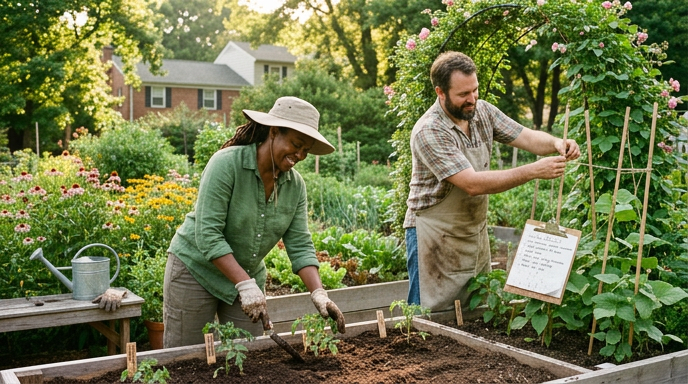


Spring planting isn’t one moment — it’s a season-long sequence. Knowing which vegetables go in when makes all the difference.
There’s a certain impatience that takes hold in late winter — the seed catalogs have been studied, the planting charts bookmarked, and the garden beds are just sitting there, waiting. The good news is that spring vegetable gardening starts earlier than most people think, and it unfolds in two distinct waves: the cool-season crops that thrive before summer heat arrives, and the warm-season crops that follow once the soil has truly woken up.
Understanding that rhythm is the foundation of a productive spring garden.
The first vegetables of spring don’t need warmth — they need to be free of frost. Leafy greens, root vegetables, and legumes in this category can go into the ground as soon as soil is workable, typically 4 to 6 weeks before your last expected frost date. In many parts of the country, that’s late February through April.
These crops don’t just tolerate cool weather — they actually taste better in it. Lettuce is sweeter, spinach more tender, and peas almost candy-like when grown in chilly spring conditions. Once temperatures push consistently above 75°F, most will bolt (go to seed) and turn bitter. The goal is to get them in early and harvest before summer closes the window.
Succession plant your greens every two to three weeks rather than all at once. A short row of lettuce planted in early April, another in late April, and a third in early May gives you a continuous harvest instead of a glut all at once.
Tomatoes, peppers, cucumbers, squash, and beans are the stars of the summer garden — but they’re unforgiving of cold soil. Planting them too early doesn’t give you a head start; it stalls them in place and stresses the plants. The magic number for most warm-season vegetables is soil temperature above 60°F, with nights staying reliably above 50°F.
If you’re starting warm-season crops from seed indoors, count back 6 to 8 weeks from your last frost date and start them then — not sooner. Leggy, overgrown transplants that have outgrown their pots don’t perform as well as compact, stocky ones. When in doubt, a slightly smaller transplant that goes out at the right time will outpace a larger one planted too early.
No matter what you’re planting, the soil is the investment that pays every dividend. Before seeds go in, work a 2- to 3-inch layer of compost into the top 8 to 10 inches of your bed. This improves drainage in heavy clay soils, adds moisture retention in sandy ones, and feeds the microbial life that makes nutrients available to your plants.
Avoid working soil when it’s waterlogged — squeeze a handful and if it crumbles rather than holding its shape, you’re good to go. Walking on wet beds compacts the structure you’re trying to build, so lay down a board or step stones if you need access before things dry out.
Read the seed packet — really read it. Spacing requirements, planting depth, days to maturity, and sun needs are all there. Most garden disappointments trace back to skipping this step.
Spring vegetable gardening rewards patience at the start and attentiveness throughout. Plant the right things at the right time, keep the soil fed and moist, and the harvest will take care of itself.