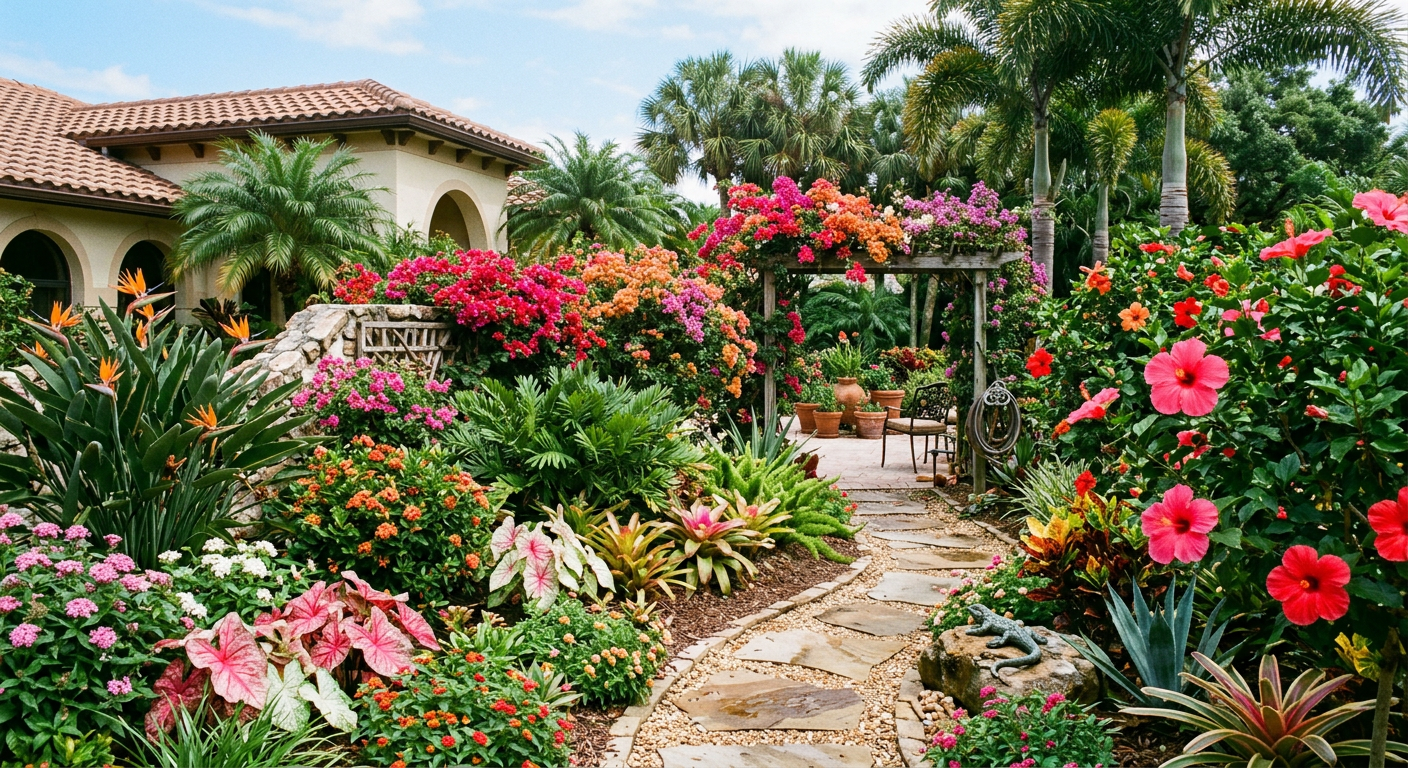
Your April-May Garden To-Do List for South Florida

Gardening in South Florida operates on its own clock. April and May mark the end of the dry season and the approach of the summer wet season — and for gardeners, that transition changes everything. This is the moment to harvest what’s left of the cool-season garden, prepare for the punishing heat of June through September, and get warm-season tropicals and natives established before the rains arrive.

Think of it less as spring planting and more as spring pivoting.

Wrap up the cool-season vegetable garden

If you’ve been growing tomatoes, peppers, squash, beans, or cucumbers through the winter and early spring, April is their last hurrah. As temperatures push reliably into the 90s and humidity climbs, most vegetables will bolt, stop setting fruit, or succumb to fungal disease. Harvest everything you can, pull spent plants, and add them to the compost pile.

Don’t feel defeated — this is just how the South Florida vegetable calendar works. Your next vegetable planting window opens again in October.

Heads up: Tomatoes stop setting fruit when nighttime temps stay above 75°F. If your plants are still flowering in late April but not fruiting, that’s why. The heat has closed the window — harvest what’s there and move on.

What you can still plant now

April and May aren’t a planting dead zone — they’re just tropical planting season. Heat-loving plants that would struggle in cooler climates absolutely thrive in what’s coming. Focus on tropicals, natives, and anything that loves humidity.

  • Sweet potatoes — Love the heat. Plant slips now for a fall harvest.
  • Lemongrass — Thrives in humidity. Divide and replant established clumps.
  • Tropical basil — More heat-tolerant than Italian varieties. Great for summer.
  • Moringa — Fast-growing edible tree. Plant from cuttings or seed.
  • Boniato and malanga — Traditional South Florida root crops. Ideal planting time.
  • Caladiums — Spectacular foliage for shady spots. Tubers go in now.
  • Porterweed and firebush — Florida natives that bloom all summer and feed pollinators.
  • Mango and avocado — Plant container trees before the wet season to establish roots.

Dig tip: Plant new trees and shrubs just before the rainy season starts — typically late May or early June. The summer rains do the watering work for you during the critical establishment period, and you won’t be hauling a hose through 95 degree heat.

Lawn and landscape tasks

April is one of the best months to fertilize your lawn in South Florida. St. Augustine, Bahia, and Zoysia grasses are all actively growing and will make excellent use of a slow-release fertilizer right now. Follow the Florida-friendly guidelines and avoid high-phosphorus formulas — South Florida soils are naturally phosphorus-rich and excess runoff harms local waterways.

Check your irrigation system before the dry season fully peaks. Adjust heads, fix leaks, and make sure coverage is even — you’ll be relying on it heavily through May until the rains take over. Once the wet season starts in earnest, dial back irrigation or your lawn will develop fungal issues.

Pest and disease watch

Whiteflies, aphids, and scale insects all ramp up as temperatures rise. Check the undersides of leaves on your citrus, vegetables, and ornamentals. A strong blast of water knocks back aphids; neem oil handles most soft-bodied pests without harming beneficial insects if applied in the evening when pollinators are not active.

Citrus greening (HLB) remains a serious threat across South Florida. There’s no cure, but keeping trees healthy and well-fertilized with a micronutrient-rich citrus fertilizer gives them the best chance. If leaves are showing yellow mottling or fruit is lopsided and bitter, have a sample tested through your county extension office.

Fungal disease season is coming: High heat plus summer humidity is perfect for fungal disease — powdery mildew, root rot, and leaf spot all peak in summer. Improve air circulation by pruning dense shrubs now, avoid overhead watering, and mulch beds to reduce soil splash onto leaves.

Your April-May checklist

  • Harvest remaining cool-season vegetables before heat ends production
  • Pull spent vegetable plants and compost or dispose of diseased material
  • Plant sweet potato slips, lemongrass, caladiums, and tropical edibles
  • Install new trees and shrubs before the wet season begins
  • Fertilize lawn with slow-release, low-phosphorus formula
  • Service irrigation system — adjust heads and fix leaks before dry season peak
  • Apply fresh mulch to all beds — 2 to 3 inches keeps moisture in and soil temp down
  • Scout for whiteflies, aphids, and scale — treat with neem oil in the evening
  • Prune dense shrubs and hedges to improve airflow before humid season
  • Check citrus for HLB symptoms and apply micronutrient fertilizer
  • Program irrigation timer to reduce frequency once summer rains establish

South Florida gardening in April and May is about reading the season honestly. The cool-season window is closing, but a whole new palette of tropical abundance is opening up. Embrace what grows here naturally — native plants, tropical fruits, shade-loving foliage — and your garden will thrive in ways that gardeners in colder climates can only dream about.

Your April Garden Checklist: What to plant, fix, and do

Your April Garden Checklist — Dig Magazine
Spring Gardening  ·  April

April is the month gardeners live for. The ground is warm, the days are stretching, and there’s just enough urgency to keep things exciting.

By Dig Magazine  ·  Spring 2025

Whether you’re unrolling your first seed packet or unlocking a garden shed that’s been quiet since November, April has something for everyone. This month sits at a beautiful crossroads — cool enough for leafy greens, warm enough to wake up perennials, and long enough to actually get things done on a weekend afternoon.

Here’s what to focus on this month, broken down by the garden and the home.

In the vegetable garden

April is prime time for cool-season crops. Lettuce, spinach, arugula, peas, radishes, and Swiss chard all thrive in soil that hasn’t hit summer temperatures yet. Direct sow them into beds that have been loosened and amended with compost, and thin seedlings once they’re a few inches tall so they have room to fill out.

If you’ve been starting tomatoes, peppers, or cucumbers indoors, begin hardening them off this month — setting them outside for a few hours each day before transplanting. It makes a real difference to how well they settle in.

Dig tip

A soil thermometer is one of the cheapest, most useful tools you can own. Most vegetable seeds germinate best when soil is between 60–70°F. Too cold, and they just sit there.

Flowers and ornamentals

Now is the moment to divide overcrowded perennials — hostas, daylilies, and ornamental grasses all respond well to being split and replanted. You’ll multiply your plants for free and reinvigorate the ones that have been looking a bit tired.

Plant summer-flowering bulbs like dahlias, gladiolus, and canna lilies once overnight temperatures stay reliably above 50°F. And if you haven’t already: cut back any ornamental grasses that weren’t trimmed in late winter, before new growth gets too far ahead.

Lawn and landscape

Resist the urge to mow too short. Keeping grass at 3–4 inches through spring shades out weed seeds and encourages deeper root growth. It’s one of the most effective things you can do for a healthier lawn with less effort all summer.

Walk your beds and borders and top up mulch where it’s thinned out over winter. A 2-inch layer retains moisture, regulates soil temperature, and cuts down on weeding — all things that will make your summer much more enjoyable.

Indoor-outdoor crossover

April is also when houseplants start waking up. If yours have been looking a little sullen since January, now’s a good time to repot anything that’s rootbound, switch to a balanced liquid fertilizer, and move pots to brighter spots as the sun strengthens. Outdoor container gardens can be refreshed with fresh potting mix and new trailing or upright companions.

Quick wins this month
  • Sow lettuce, spinach, peas, and radishes directly in beds
  • Harden off indoor-started seedlings before transplanting
  • Divide overcrowded perennials and relocate or share them
  • Plant summer bulbs once overnight temps stay above 50°F
  • Mulch bare soil before weeds get established
  • Set mower height to 3–4 inches for the season
  • Repot rootbound houseplants and resume fertilizing

April rewards the gardener who pays attention. Spend a little time outside this month — even just walking the beds with a cup of coffee — and you’ll catch problems early, spot what’s thriving, and feel connected to the season in a way that makes the whole summer more satisfying.